

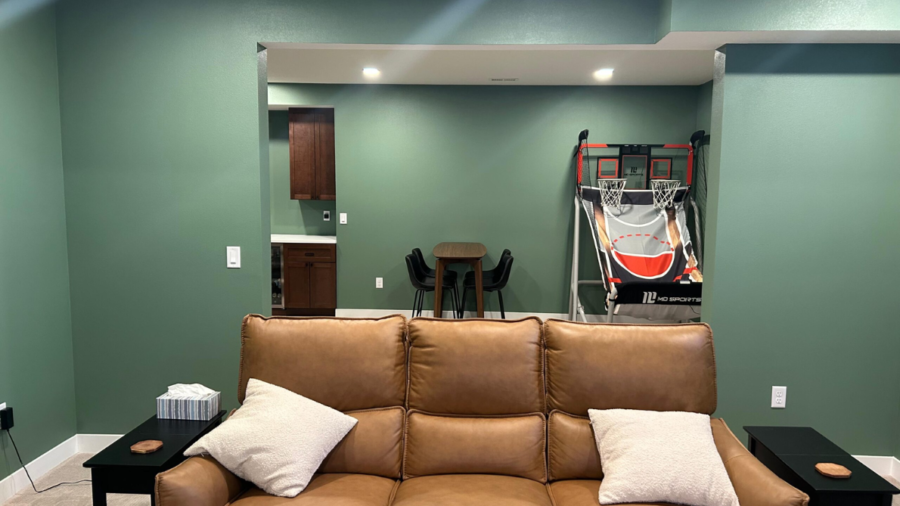
A home should grow with your family—and your basement is one of the most powerful spaces to make that happen. What begins as a playroom for young children can later transform into a study area, entertainment lounge, guest suite, or a peaceful retreat for teenagers and adults alike. A well-designed basement is not only about current needs but about creating a flexible, future-ready space that adapts as your family evolves.
At A1 Basement Finishing, we focus on designing family-centered basements that combine comfort, adaptability, safety, and long-term value. This guide explores how to create a basement that supports every stage of family life while remaining functional, inviting, and stylish for years to come.
Why Family-Centered Basement Design Matters
Families change over time. Children grow older, work-from-home needs increase, hobbies evolve, and lifestyles shift. A basement designed for just one purpose may work temporarily, but a flexible, family-focused basement continues to add value throughout every life stage.
A family-centered basement should adapt to different ages and activities, support togetherness while allowing privacy, balance comfort with practicality, and remain durable for daily use. When designed thoughtfully, your basement becomes one of the most loved and frequently used spaces in your home.
Understanding Your Family’s Present and Future Needs
Before planning layouts or choosing finishes, it is essential to think beyond the present moment.
Consider how your family may change over the next five, ten, or even twenty years. Young children may need open play areas today, while teenagers may require quiet study zones tomorrow. In the future, you may need guest accommodations or a private retreat for aging parents.
A successful basement design includes both shared spaces for family bonding and quieter zones for individual activities. The basement offers the perfect balance of separation and connection within the home.
Smart Layout Planning for Long-Term Flexibility
A flexible layout is the foundation of a basement that grows with your family.
Open-concept layouts allow for easy reconfiguration as needs change. Instead of permanent walls, use furniture placement, area rugs, lighting zones, or sliding doors to define spaces. These elements create structure while preserving adaptability.
Zoned layouts work especially well in family basements. You might include a family lounge or entertainment area, a play or activity zone, a study or work corner, and a dedicated storage or utility space. Over time, these zones can shift purpose without requiring major renovations.
Clear circulation paths are also essential. Open walkways improve safety for children and accessibility for aging family members while making the basement feel more spacious and welcoming.
Creating a Safe and Durable Space for All Ages
Safety and durability are critical in a family-centered basement.
For families with young children, features such as rounded furniture edges, slip-resistant flooring, secure storage, covered outlets, and soft-close cabinets help prevent accidents. These details allow kids to play freely while giving parents peace of mind.
Planning for aging-in-place is equally important. Wider walkways, proper lighting, minimal level changes, and space for a future bedroom or bathroom ensure the basement remains accessible as family needs evolve.
Durable materials are key to long-term success. Luxury vinyl plank flooring, engineered surfaces, stain-resistant fabrics, and washable wall finishes hold up well against everyday family use. Moisture-resistant drywall and trim help protect the basement from long-term damage.
Storage Solutions That Grow With Your Family
As families grow, belongings tend to multiply. Smart storage keeps the basement organized and functional without feeling cluttered.
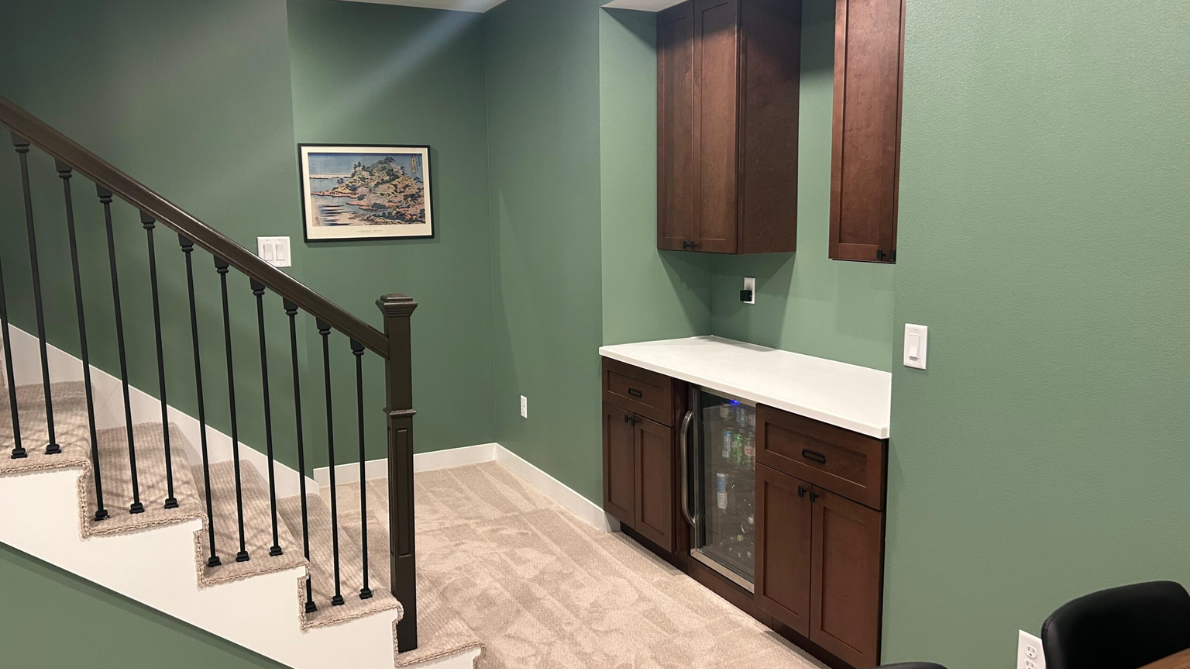
Built-in cabinets, shelving units, and storage benches provide long-term solutions that blend seamlessly into the design. Modular storage systems offer flexibility, allowing shelves and compartments to be adjusted as needs change from toy storage to books, electronics, or hobby supplies.
Hidden storage options such as under-stair drawers, lift-up bench seating, and storage ottomans maximize space while maintaining a clean, uncluttered look.
Designing a Family-Friendly Entertainment Space
For many families, the basement becomes the go-to entertainment hub.
A media or movie area can be designed with comfortable seating, sound-absorbing carpets or acoustic panels, and built-in media walls with concealed wiring. Dimmable lighting allows the space to shift easily from daytime activities to evening movie nights.
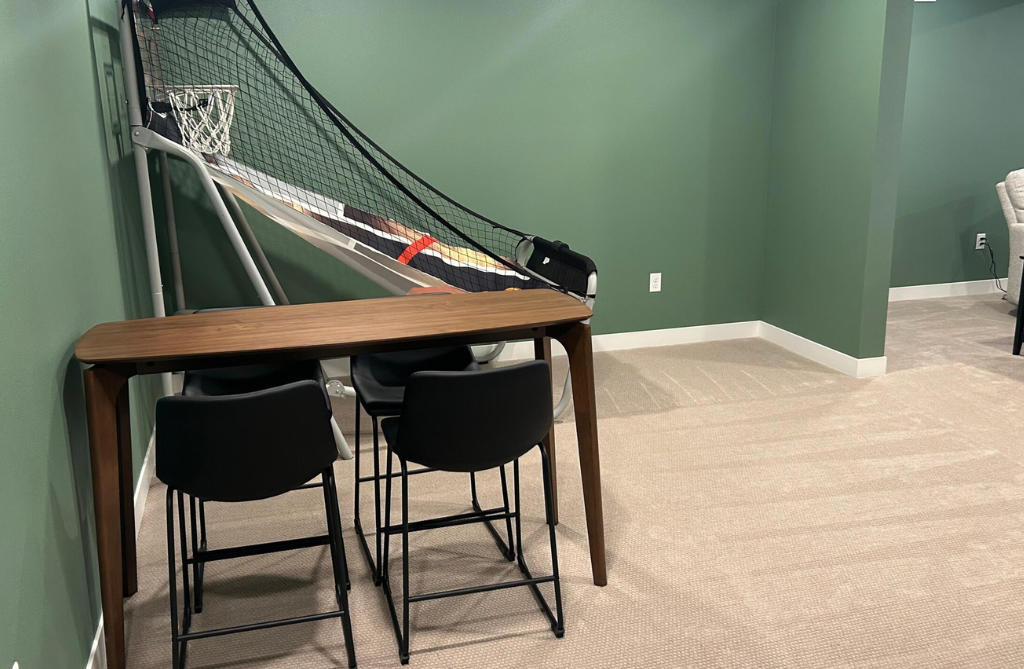
Open activity zones provide room for board games, indoor play, video gaming setups, or casual gatherings. Durable flooring and movable furniture ensure the space remains adaptable for different age groups and activities.
As children grow, these entertainment areas naturally transition from play spaces to teen hangouts and later to adult entertainment lounges.
Learning, Study, and Workspaces for Growing Families
Education and productivity often become priorities as children grow older.
Dedicated study or homework areas with built-in desks, adjustable lighting, and organized storage help children focus and develop good habits. These spaces can later convert into home offices or creative studios without major changes.
With remote work becoming more common, basement home offices provide separation from household distractions. Soundproofing, ergonomic furniture, and proper lighting enhance focus and productivity for adults working from home.
Comfort-Focused Design for Everyday Living
A family basement should feel warm and inviting, not cold or unfinished.
Layered lighting creates comfort and versatility. Ambient lighting provides general brightness, task lighting supports reading and work, and accent lighting adds warmth and visual interest.
Basements are often cooler than upper floors, so proper insulation, zoned heating systems, and soft furnishings like area rugs help maintain year-round comfort. Acoustic treatments such as carpets, upholstered furniture, and wall panels reduce echo and noise, making the space more pleasant for busy households.
Design Styles That Appeal to the Whole Family
Choosing a timeless design style ensures your basement remains appealing as tastes change.
Warm modern designs blend clean lines with cozy textures, making them ideal for shared family spaces. Transitional styles combine traditional comfort with modern functionality and appeal to all age groups. Scandinavian-inspired designs use light colors, natural materials, and simple forms to create calm and openness. Casual contemporary styles offer neutral foundations with flexible décor options that are easy to update over time.
Selecting a versatile style prevents the basement from feeling dated and supports long-term usability.
Personalization Without Limiting the Future
Personal touches help make the basement feel like home, but it is important not to overcommit to one life stage.
Neutral foundations for walls, flooring, and built-ins allow décor and accessories to evolve as family interests change. Artwork, textiles, and accent pieces provide personality and can be easily updated over time.
Multipurpose furniture such as sofa beds, expandable tables, and movable seating supports flexibility and maximizes functionality.
Guest-Friendly Basement Planning
Family basements often serve as guest spaces as well.
Including a private sleeping area or convertible sofa, adequate lighting, and nearby bathroom access ensures comfort for visitors. These guest-ready spaces can also function as home offices, hobby rooms, or quiet retreats when not in use.
Designing guest areas with flexibility in mind allows you to host comfortably without sacrificing everyday functionality.
Increasing Home Value With Family-Focused Design
A well-designed family basement is a smart investment.
Finished basements typically offer strong returns on investment, especially when designed with flexibility and quality in mind. Buyers are drawn to multi-functional layouts, family-friendly features, durable finishes, proper lighting, and moisture protection.
Timeless design choices protect long-term value and ensure the basement appeals to future homeowners.
Budgeting for a Basement That Grows With You
Planning ahead helps control costs and prevents future regrets.
Prioritize infrastructure such as waterproofing, insulation, electrical systems, lighting, and HVAC planning. These elements are costly to modify later but essential for safety and comfort.
Design the basement so upgrades can be completed in phases, allowing you to expand or adapt the space as your family grows. Professional guidance from experienced basement specialists like A1 Basement Finishing ensures smart planning, efficient layouts, and lasting results.
Final Thoughts
A family-centered basement is more than an extra room—it is an investment in your family’s future. By designing a space that adapts to changing needs, encourages togetherness, and provides comfort at every stage of life, your basement becomes one of the most meaningful areas in your home.
With thoughtful layout planning, durable materials, flexible zones, and timeless style, your basement can evolve effortlessly from a playroom to a study space, from an entertainment hub to a peaceful retreat.
Ready to Build a Basement That Grows With Your Family?
At A1 Basement Finishing, we specialize in creating family-focused, future-ready basements that enhance everyday living and long-term home value.
Contact us today for a free consultation and discover how we can design a basement that supports your family now and for years to come.
Add a Comment